About Pepe
What is PEPE?
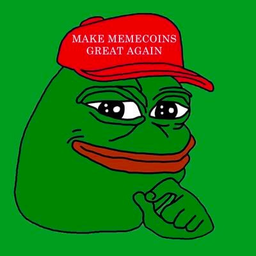
PEPE is a meme token on Ethereum inspired by Pepe the Frog. The project website says it has no association with Matt Furie, who created the character. It presents the token as a tribute to the meme and describes its purpose as entertainment. The PEPE listed on NonLogs is identified by the Ethereum contract in the facts panel. Other tokens can use the same name or similar frog imagery, so the name and logo do not establish token identity.
What is the token intended for?
The project's own disclaimer says PEPE has no intrinsic value or expectation of financial return and no formal team or roadmap. People can transfer PEPE or trade it where markets exist, but the project does not offer a dollar or gold redemption arrangement. A purchase therefore depends on the price another participant is willing to pay. The site's claims about entertainment and financial returns describe the project's positioning; they do not determine what a future trade will be worth.
How does PEPE work on Ethereum?
PEPE balances are recorded in an Ethereum token contract. Ethereum's proof-of-stake validators process transactions that call that contract, and the transaction fee is paid in ETH. PEPE has no separate blockchain mining process. Ordinary transfers publish the sender, recipient and token amount. A wallet can hold both PEPE and ETH at one address, but the balances remain separate: having PEPE alone does not supply the ETH needed for an ordinary transaction's gas fee.
How should I interpret PEPE's large supply?
The project publishes a token supply of 420,690,000,000,000 PEPE. A token's unit count is a denomination choice, so the number of zeros in its price cannot tell you whether it is cheap. The cost of an order depends on the number of PEPE units multiplied by the execution price, plus applicable fees. The published supply also does not tell you how many tokens are available for sale in a particular order book.
What should I check before transferring PEPE?
Use the Ethereum network and deposit address shown on your NonLogs PEPE deposit page. Importing a token into a wallet changes what the wallet displays; it does not convert another token into PEPE or move a balance between blockchains. When using external applications, distinguish a transfer from an approval. An ERC-20 approval authorizes a spender to move tokens within an allowance. That permission can remain after the transaction that created it.
Where can I trade PEPE on NonLogs?
The markets below open the available PEPE pairs. Each pair prices its first asset in the second currency, and an order's quantity may contain many units. Check the quantity, total cost and current orders together before submitting a trade. A last-trade price records a completed exchange; a larger new order may trade at several prices if the available quantity at the first price is insufficient.